
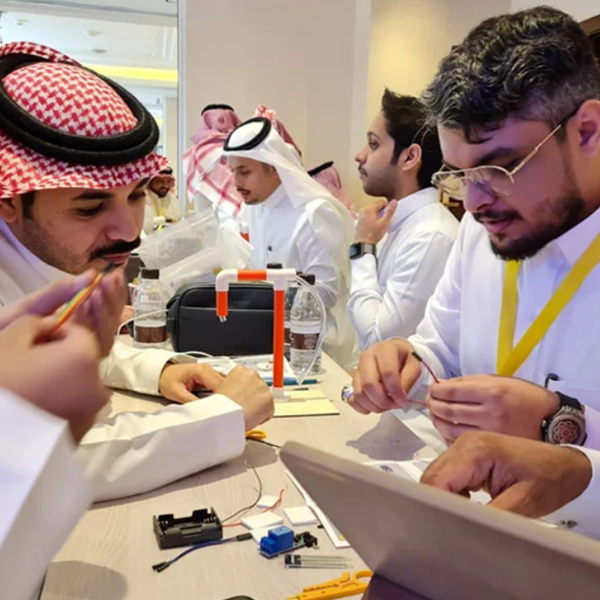



Many organizations invest in corporate training every year.
Employees attend workshops.
Managers join leadership programs.
Teams participate in development initiatives.
For a short time, the atmosphere feels different.
People return energized.
New ideas are discussed in meetings.
Leaders speak about change and improvement.
But then something familiar happens.
A few weeks later, daily work returns to normal.
Processes remain unchanged.
Managers fall back into old habits.
The organization continues operating exactly as before.
This pattern has led many executives to ask a difficult question:
Does corporate training actually change organizations?
The honest answer is yes, but only when it is designed and implemented in the right way.
Real transformation through corporate training and coaching does not simply improve knowledge. It changes how organizations operate, make decisions, and develop their people.
Understanding what truly changes inside companies after effective training reveals why many programs fail to reach that level of impact.
The Difference Between Training Activity and Training Impact
Many organizations measure training success by activity. They track metrics such as:- number of training sessions delivered
- number of employees trained
- hours of learning completed
Change #1: Decision-Making Becomes Clearer
One of the first noticeable changes after effective training is improved decision-making. In many organizations, decision processes become slow because employees feel uncertain about authority or responsibility. After structured corporate training and coaching, leaders and managers often gain greater clarity in areas such as:- decision ownership
- accountability structures
- strategic priorities
- faster project execution
- fewer escalations to senior leadership
- clearer accountability across teams
Change #2: Managers Become Better Translators of Strategy
Another important change happens at the management level. Managers are responsible for translating strategy into daily work. However, many managers struggle to communicate strategic priorities clearly to their teams. Effective leadership and management development programs help managers learn how to:- connect team goals with company strategy
- communicate priorities consistently
- guide teams through complex initiatives
Change #3: Collaboration Between Departments Improves
Many companies struggle with cross-department collaboration. Teams often work hard but operate in silos. Communication gaps slow down projects and create unnecessary friction. Effective training programs help organizations strengthen collaboration by developing capabilities such as:- cross-functional communication
- conflict resolution
- shared accountability
Change #4: Leadership Behavior Evolves
One of the most powerful outcomes of successful corporate training is a shift in leadership behavior. Leadership development programs combined with corporate training and coaching often help leaders strengthen critical capabilities such as:- strategic thinking
- emotional intelligence
- communication under pressure
- team empowerment
Change #5: Learning Becomes Part of the Organizational Culture
Perhaps the most significant shift occurs when organizations move beyond individual training programs and develop continuous learning cultures. Instead of viewing training as a periodic activity, learning becomes integrated into everyday work. Organizations with strong learning cultures typically have systems such as:- leadership development journeys
- ongoing coaching initiatives
- structured development frameworks
- digital learning platforms
Why Most Corporate Training Programs Never Reach This Point
If corporate training can create such powerful changes, why do so many programs fail to deliver lasting impact? Several common challenges prevent organizations from reaching these outcomes.Training Is Treated as a One-Time Event
One of the biggest mistakes organizations make is treating training as a one-time intervention. Employees attend a workshop and then return to their regular work environments without follow-up support. Real behavioral change requires:- reinforcement
- practice
- coaching
Training Is Not Connected to Strategy
Another common issue is misalignment between training initiatives and business priorities. If training programs are not directly connected to strategic objectives, employees may struggle to see their relevance. Effective corporate training in Abu Dhabi programs align development initiatives with organizational goals such as:- growth initiatives
- leadership pipeline development
- operational improvement
Leadership Is Not Actively Involved
Training initiatives often fail when leadership participation is limited. Employees take training more seriously when leaders actively support and reinforce learning initiatives. Leaders should participate by:- modeling the behaviors promoted in training
- discussing learning outcomes with teams
- encouraging application of new ideas
Learning Systems Are Missing
Organizations that rely solely on occasional workshops often struggle to sustain development. Successful companies typically build structured learning systems such as a corporate training academy that coordinates development across departments. These systems provide:- structured learning journeys
- continuous skill development
- alignment between leadership, management, and team training
The Strategic Role of Corporate Training Today
Corporate training is no longer just an HR initiative. In modern organizations, learning and development play a critical role in building competitive advantage. Companies that invest strategically in corporate training and coaching often experience improvements in:- leadership effectiveness
- employee engagement
- organizational agility
- operational performance
Where HNI Fits In
For more than 13 years, HNI has supported organizations across the Middle East in strengthening leadership, management, and organizational capability. Headquartered in the UAE, with offices in Saudi Arabia, HNI has grown into a leading L&D solutions architect serving organizations across multiple industries. Through its integrated approach, HNI supports companies by designing structured development journeys that combine:- corporate training and coaching
- leadership and management development
- customized corporate training in Abu Dhabi initiatives
- long-term learning ecosystems through corporate training academy models
Final Thoughts
Corporate training has the potential to transform organizations. However, real change happens only when development initiatives go beyond individual learning. Effective training programs influence how organizations:- make decisions
- communicate across teams
- develop leaders
- support continuous learning
